
DIY Moving: How to Pack Like a Pro
Moving can be a daunting task, especially when you're doing it yourself. However, with the right approach and a bit of organization, you can make the process much smoother. Packing like a pro requires some planning and the right techniques to ensure your belongings arrive safely at your new home.
Gather Your Supplies
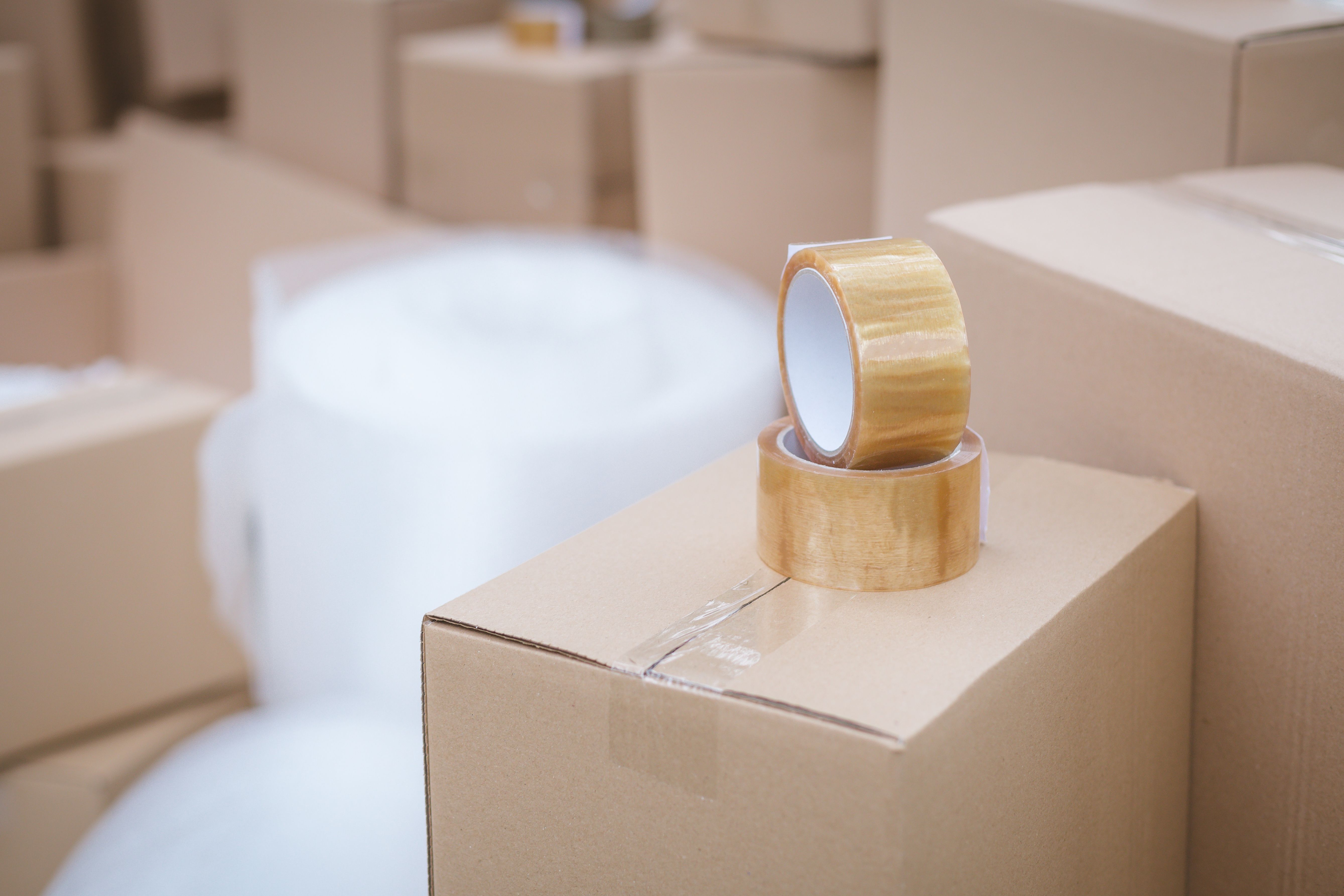
Before you start packing, ensure you have all the necessary supplies. This includes sturdy boxes in various sizes, packing tape, bubble wrap, packing paper, and markers. Having everything on hand will save you time and prevent unnecessary stress during the packing process.
- Boxes (small, medium, large)
- Packing tape
- Bubble wrap
- Packing paper
- Markers
Start with a Plan
Begin by creating a packing timeline and checklist. Prioritize rooms based on the frequency of use and pack non-essential items first. This approach ensures that you're not left scrambling at the last minute and helps maintain a sense of order throughout the move.
Consider packing one room at a time. This method allows for a more organized unpacking process and reduces the risk of misplaced items. Label each box with its contents and the room it belongs to, which will facilitate a smoother transition into your new space.
Pack Fragile Items with Care
When it comes to fragile items, proper packing is crucial. Use bubble wrap or packing paper to cushion delicate items, and ensure they are securely placed in the box. Fill any empty spaces with additional packing material to prevent movement during transit.

For electronics, use original packaging when possible, as these are designed to protect your devices. If you don't have the original packaging, wrap each component individually and secure them in a sturdy box with ample cushioning.
Optimize Space in Boxes
Maximize the space in each box by placing heavier items at the bottom and lighter ones on top. This not only optimizes space but also prevents damage. Be mindful not to overpack boxes, as this can make them difficult to carry and increase the risk of breakage.
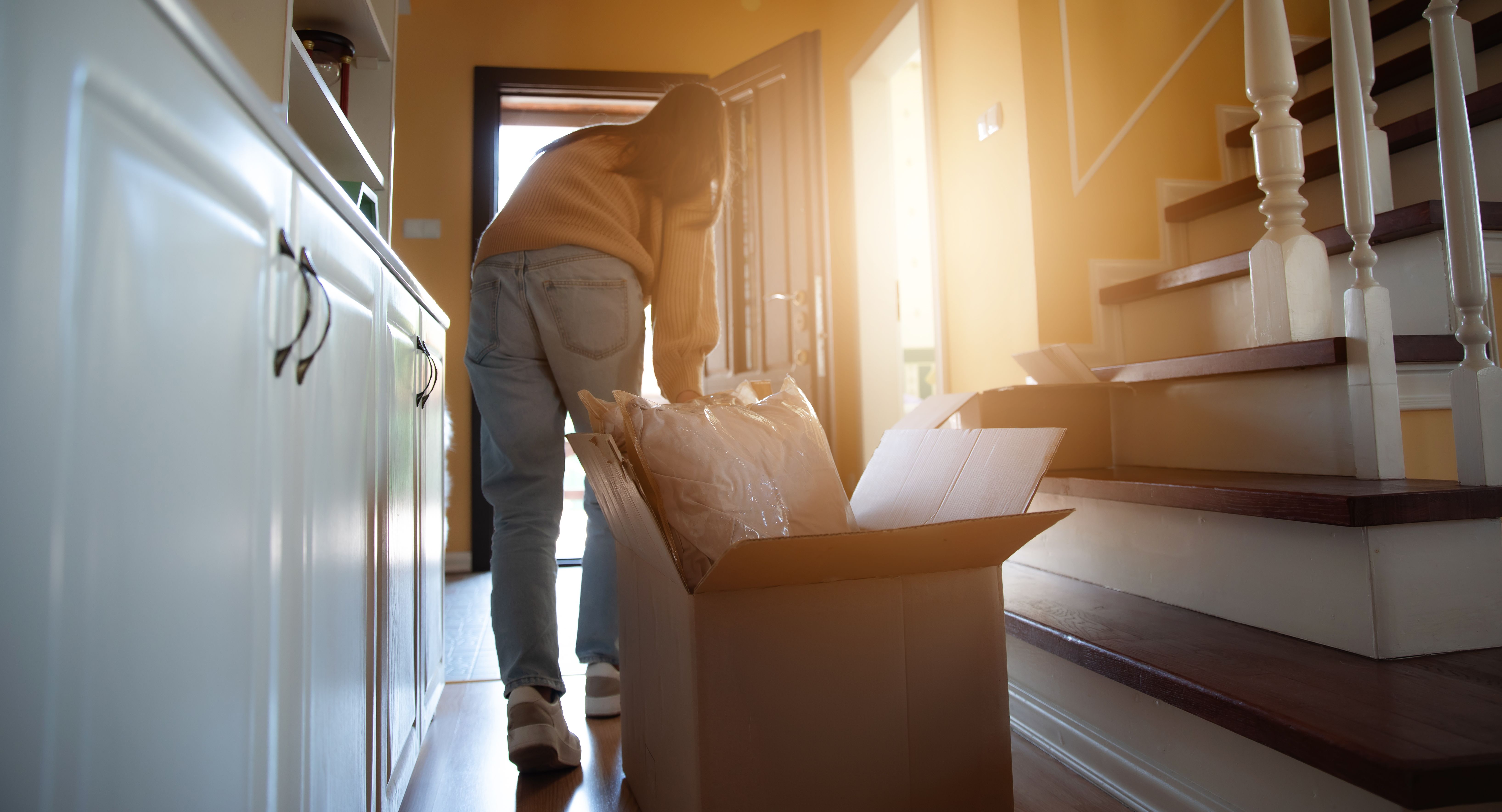
Consider using clothing and linens as padding for fragile items. This resourceful approach not only protects your belongings but also reduces the number of boxes needed, making the move more efficient.
Label and Organize
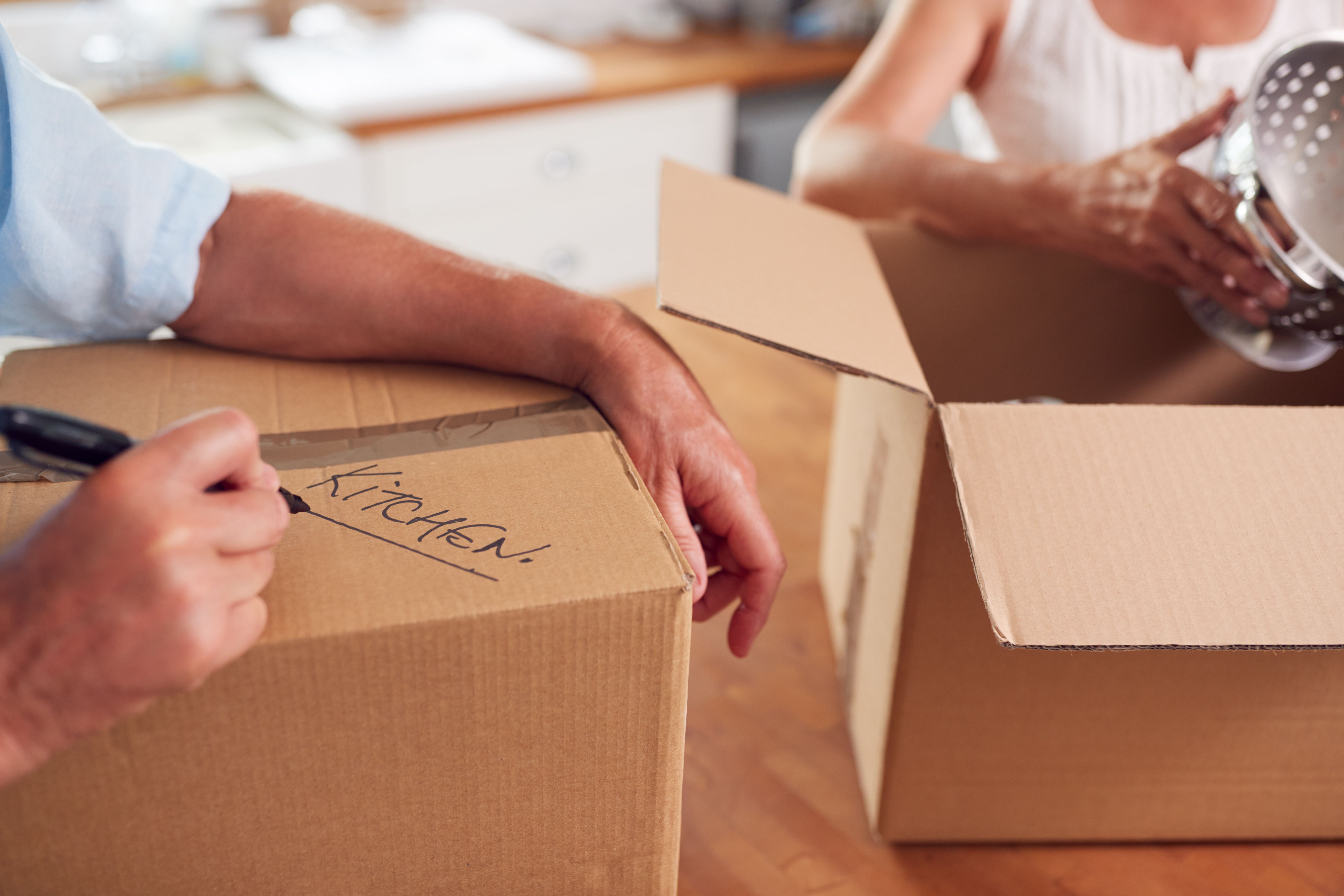
Proper labeling is essential for an organized move. Clearly mark each box with its contents and the room it belongs to. Consider using a color-coding system to make the process even more efficient. For example, use red labels for kitchen items and blue for bedroom essentials.
Once everything is packed and labeled, create an inventory list. This list will help you keep track of your belongings and ensure nothing gets lost during the move. It will also be invaluable when unpacking, as you can easily identify which boxes to prioritize.